
Filing a roof insurance claim can feel confusing. This general guide explains how to document roof damage, keep records, and ask better questions. It is not legal, insurance, or public-adjusting advice.
Step 1: Document Before You Call
Most homeowners call their insurer before doing anything else. That's backwards. Documentation done before an adjuster visit is worth far more than documentation done after. Before you open a claim:
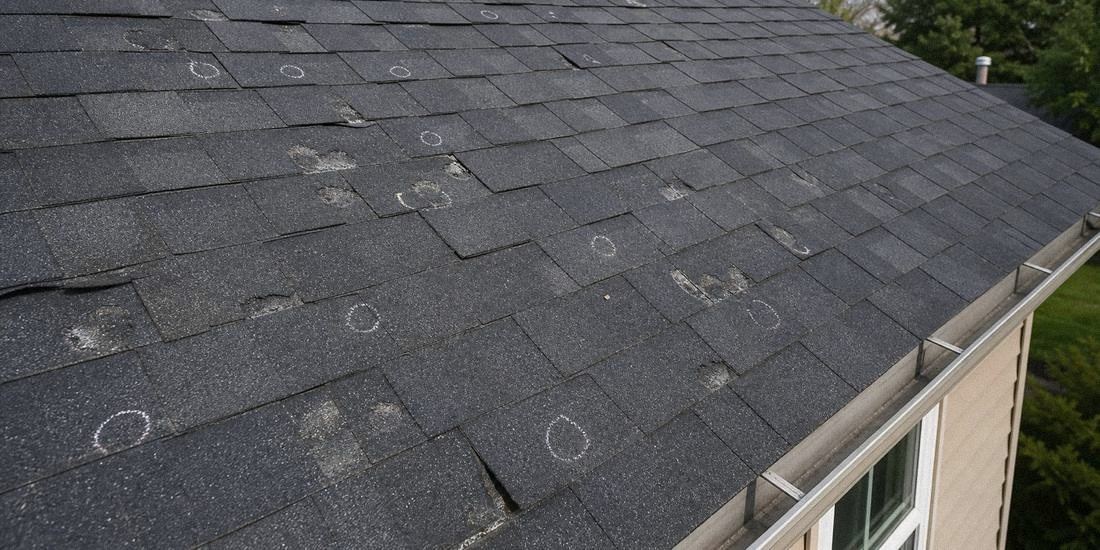
- Photograph everything — every damaged shingle, every dent on gutters, AC units, and downspouts, any interior water damage
- Note the exact storm date — your insurer will cross-reference NOAA weather data. Have the date and approximate hail size from weather alerts
- Check your attic — water stains, daylight through decking, wet insulation. All of this matters
- Avoid permanent repairs until you understand your carrier's documentation requirements — permanent repairs before the adjuster visit can complicate your claim
Step 2: Get a Roofer's Inspection First
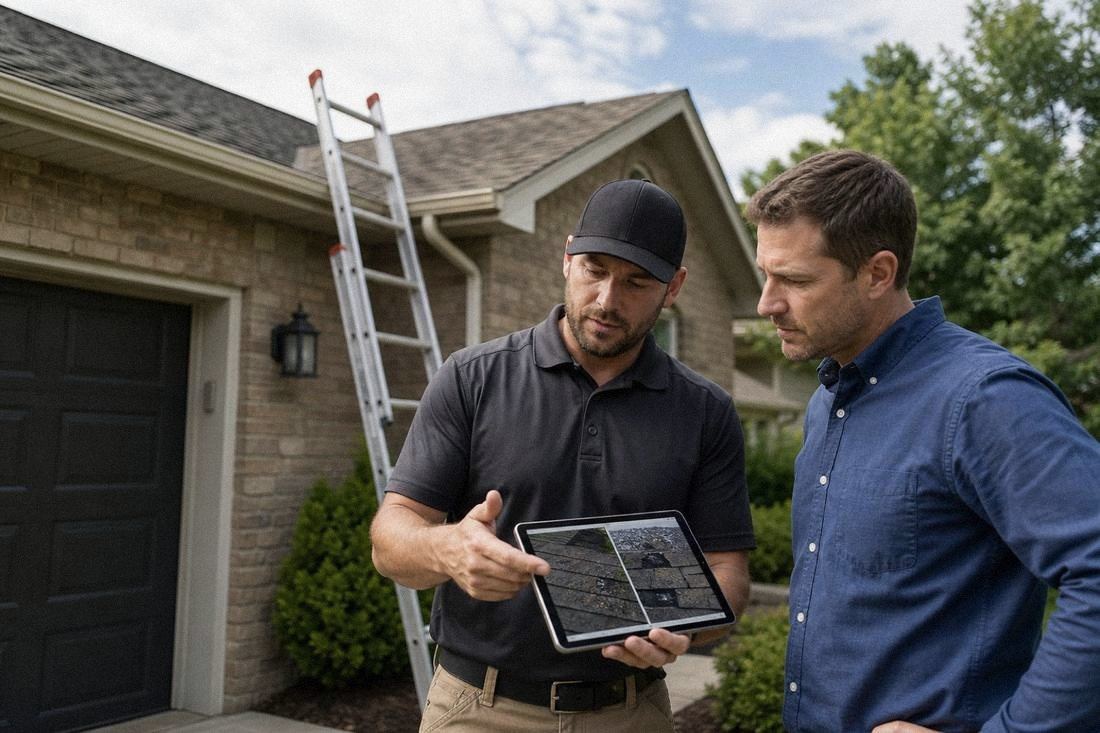
Before or immediately after opening a claim, consider getting a professional roofing inspection. A roofer can document visible roof conditions, damaged components, measurements, and repair recommendations from a construction perspective.
At Obsidian Exterior, our post-storm inspections document visible damage with photos, measurements, and material observations that homeowners may choose to share with their carrier.
Good documentation can make conversations clearer. Keep photos, inspection notes, dates, estimates, and carrier communications together in one place.
Step 3: Open Your Claim
Call your insurer's claims line or open online. Key information to have ready:
- Policy number and coverage details (RCV vs. ACV — this matters enormously)
- Date of loss (storm date)
- Brief description: "Wind/hail damage to roof and gutters from [storm date] event"
- Request that an adjuster be assigned within 5 business days (ask your carrier about expected timing)
Ask specifically what your wind/hail deductible is — this may differ from your standard deductible.
Step 4: The Adjuster Visit
This is the most critical step. Do these things:
- Ask whether your roofer should be present — if requested, Obsidian Exterior can attend to answer construction-scope questions and point out roof damage we observed
- Point out every damage area — don't assume the adjuster will find everything independently
- Ask for a copy of the adjuster's scope before they leave
- Read before signing — ask your carrier, attorney, or licensed advisor if you are unsure about any document
The Supplement Process
After receiving your initial claim estimate, compare it line by line against your roofer's inspection. Items are routinely missed or undervalued — code upgrades, drip edge, ice-and-water shield, proper underlayment. If a construction item appears missing, a contractor can provide documentation for your carrier to review. Coverage decisions remain with the insurer.
Step 5: Understanding Your Payout
How you're paid depends critically on your policy type:
| Policy Type | How You're Paid | What to Watch |
|---|---|---|
| RCV (Replacement Cost Value) | Initial check = ACV (minus depreciation). Second check after work is completed = recoverable depreciation | Best policy. Make sure to complete repairs to receive second check |
| ACV (Actual Cash Value) | One check = replacement cost minus full depreciation | No second check. On a 15-year-old roof, you may get 40% of replacement cost |
With RCV coverage, you usually must complete the work to request recoverable depreciation. Your contractor can provide a completion invoice and project documentation for your carrier to review.
Step 6: Contractor Selection — The Most Important Decision
After a major storm, out-of-state contractors flood Colorado Springs. These "storm chasers" often:
- Make unclear promises about deductibles, coverage, or money back
- Use substandard materials that don't meet manufacturer warranty requirements
- Require large upfront deposits before work begins
- Disappear post-completion when warranty issues arise
Choose a local contractor who was in business before the storm and will be here long after. Verify their Colorado contractor license, insurance, and ask for local references.