
Every spring and summer, Colorado Springs braces for hail season — and roofs take the worst of it. El Paso County averages more than 20 hail events per year, with stones occasionally reaching golf-ball size. The good news: a little preparation now can save you thousands in repairs later. Here's your complete checklist.
Why Colorado Springs Is a Hail Hotspot
The Front Range sits in a geographic sweet spot where cold Rocky Mountain air collides with warm Gulf moisture, spawning intense afternoon thunderstorms from May through September. According to NOAA, Colorado ranks among the top five states for hail damage claims nationally. If your roof is more than 10 years old, it hasn't seen hail like this before.
"We see more hail claims in a single June than most states see all year. Pre-season inspections consistently find damage homeowners didn't know they had." — Marco, Obsidian Exterior Crew Lead
Step 1: Schedule a Pre-Season Inspection
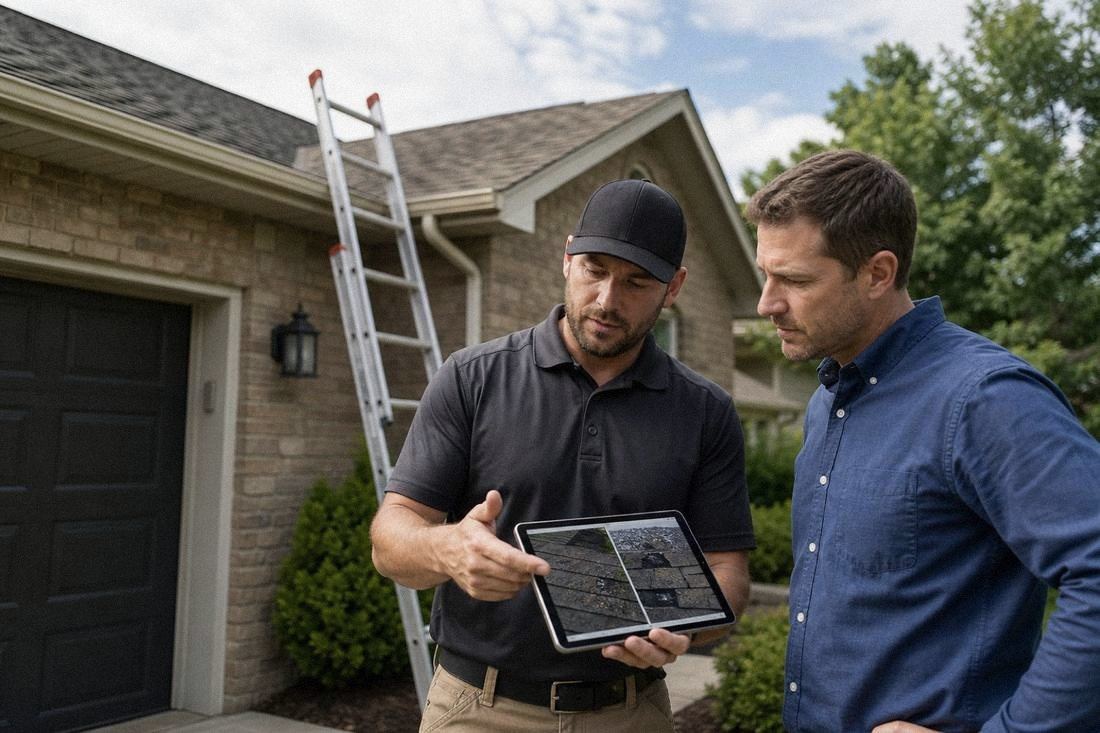
The single highest-ROI action you can take is a professional roof inspection before storm season begins (ideally March–April). An inspector can identify:
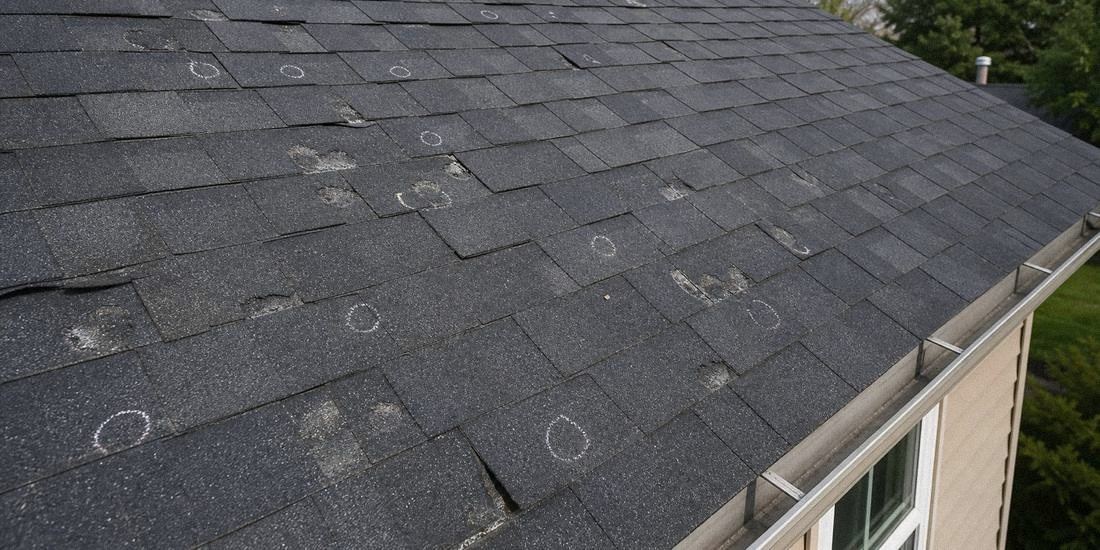
- Cracked or missing shingles — entry points for water once hail hits
- Granule loss — shingles stripped of granules have dramatically less impact resistance
- Soft spots or bubbling — signs the underlayment is already compromised
- Damaged flashing around chimneys, skylights, and vents
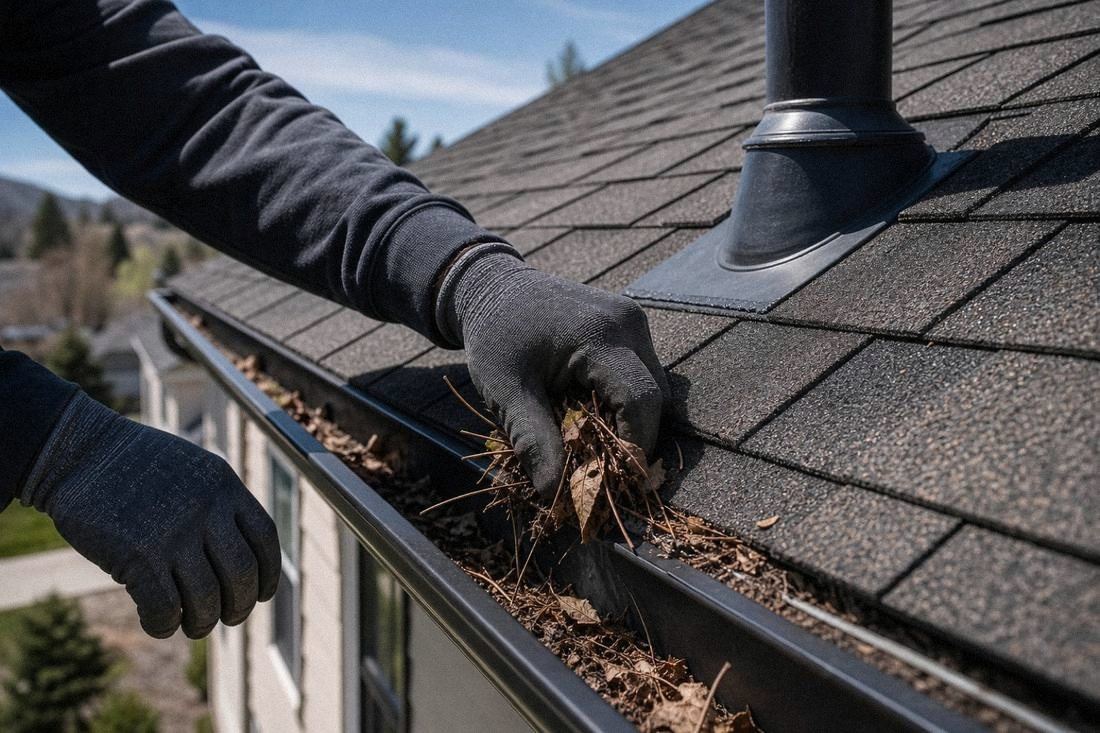
- Gutter condition — clogged or bent gutters concentrate runoff during heavy storms
Obsidian Exterior offers free pre-season inspections — no sales pressure, just an honest report.
Free Inspection Offer
Book your pre-hail-season inspection before May 31st and get a written report you can submit directly to your insurance company — at no charge.
Step 2: Know Your Shingle Rating
Not all shingles are created equal. The insurance industry uses an impact resistance rating system from Class 1 (least resistant) to Class 4 (most resistant). Class 4 shingles, like CertainTeed Landmark IR or Owens Corning Duration STORM, can withstand 2-inch hailstones dropped from 20 feet.
Class 4 Impact Resistant
Best protection. Many insurers offer 20–30% premium discounts for Class 4 roofs.
Class 3
Good protection against most hail events. Withstands 1.75-inch stones.
Class 1–2
Standard shingles. Fine for mild climates, but not ideal for Colorado Springs.
When it's time to replace your roof, upgrading to Class 4 shingles typically adds $500–$1,200 to the total cost but can save $2,000+ over the life of the roof through reduced premiums and fewer repairs.
Step 3: Document Your Roof's Current Condition
Before hail season, spend 10 minutes photographing your roof from ground level and from inside your attic. Note any existing damage. This creates a baseline that's invaluable if you need to file an insurance claim after a storm — it proves new damage is new, and prevents insurers from attributing pre-existing wear to the storm event.
Step 4: Understand Your Insurance Policy
Colorado homeowners insurance policies vary significantly in how they handle hail claims:
- Replacement Cost Value (RCV) — pays to replace your roof with new materials. Preferred.
- Actual Cash Value (ACV) — pays replacement minus depreciation. A 15-year-old roof might receive only 40% of replacement cost.
- Wind/hail deductibles — many Colorado policies now have a separate hail deductible, often 1–2% of home value. On a $400K home, that's $4,000–$8,000 out of pocket.
Review your policy now, not after the storm. If you have ACV coverage, consider upgrading — the annual premium difference is usually modest.
After a Storm: What to Do Immediately
If a significant hail event hits, take these steps within 24–48 hours:
- Document everything — photograph exterior damage, dents on gutters/AC units, and any interior water intrusion.
- Call Obsidian Exterior first — we perform free post-storm inspections, document damage, and can help you file your claim correctly.
- Contact your insurance company — open a claim. You typically have 1 year in Colorado to file (check your policy).
- Avoid storm chasers — out-of-state contractors who show up after every major event often do substandard work and then disappear.
- Place tarps if needed — if there's active leaking, we can provide emergency tarping while your claim is processed.
The Obsidian Exterior Hail Promise
We're local and focused on clear documentation, practical repair options, and written warranty terms that are reviewed before work begins. Manufacturer and workmanship warranty terms vary by material, scope, and agreement.
The Bottom Line
Hail damage in Colorado Springs isn't a matter of if — it's a matter of when. A pre-season inspection, impact-resistant shingles, and a clear insurance strategy are the three pillars of hail preparedness. Take 30 minutes this spring to check all three boxes, and you'll weather any storm with confidence.