
A roof that receives basic maintenance lasts 30–50% longer than one that's ignored. In Colorado Springs, where UV radiation, freeze-thaw cycles, and hail all attack your roof simultaneously, routine care isn't optional — it's the difference between a 20-year roof and a 32-year roof. Here are 12 actionable tips every homeowner should follow.
Tip 1: Inspect Twice a Year (Spring & Fall)
Professional inspections aren't just for after storms. A spring inspection catches winter damage — ice dams, freeze-thaw cracking, debris impact. A fall inspection prepares your roof for the next winter. From the ground, look for missing shingles, sagging sections, and granules in the gutters. Hire a professional annually — it costs $150–$250 and finds problems worth thousands.
Tip 2: Clean Your Gutters Every Season
Clogged gutters are one of the leading causes of roof damage. When gutters overflow, water backs up under shingles and into fascia boards. In winter, full gutters create ice dams that force water under the entire eave section. Clean gutters in spring (after tree seed season), summer (after monsoon debris), fall (after leaf drop), and spot-check after major storms.
Tip 3: Trim Overhanging Branches
Tree branches that touch or overhang your roof cause two problems: abrasion (branches rubbing off granules during wind events) and debris accumulation. Keep branches trimmed to at least 6 feet of clearance. After a storm, check for branches that may have shifted and are now in contact with the roof surface.
Remove Moss & Algae
Black streaks are algae. Moss retains moisture that degrades shingles. Treat with zinc sulfate solution annually.
Check Attic Ventilation
Poor ventilation causes heat buildup that bakes shingles from below, cutting their lifespan by 30%.
Prevent Ice Dams
Ensure attic insulation is at least R-38. Ice dams form when heat escapes through the roof and melts snow unevenly.
Secure Flashing
Check chimney, skylight, and vent flashing annually. Re-seal any gaps with roofing caulk rated for exterior use.
Tip 5: Address Small Repairs Immediately
A $150 repair today prevents a $3,000 repair next year. When you find a lifted shingle, a crack in caulking, or a small leak, address it within 30 days. Water damage propagates quickly — a pinhole leak in your underlayment will soak your decking, then your insulation, then your drywall, and each layer adds repair cost exponentially.
Tip 6: Check Your Attic Monthly in Winter
A 10-minute attic check during winter can catch ice dam formation before it causes interior damage. Look for frost on the underside of decking (sign of poor ventilation), water stains (active leaks), and condensation on rafters. A properly ventilated attic should be within 10°F of outdoor temperature.
Tip 7: Document Your Roof's History
Keep a simple folder (physical or digital) with: original installation date and contractor, any repair receipts, inspection reports, and post-storm photos. This history is invaluable for insurance claims — it establishes when damage occurred and proves new damage is new.
Tip 8: Know Your Shingle's Age
Most homeowners don't know how old their roof is. Find out. If you bought your home without a disclosure, call the previous owner, check permit records with El Paso County, or ask a roofer to estimate age from granule wear and material condition. Age changes maintenance priorities dramatically — a 5-year-old roof needs monitoring; a 17-year-old roof needs a plan.
Tip 9: Inspect After Every Major Storm
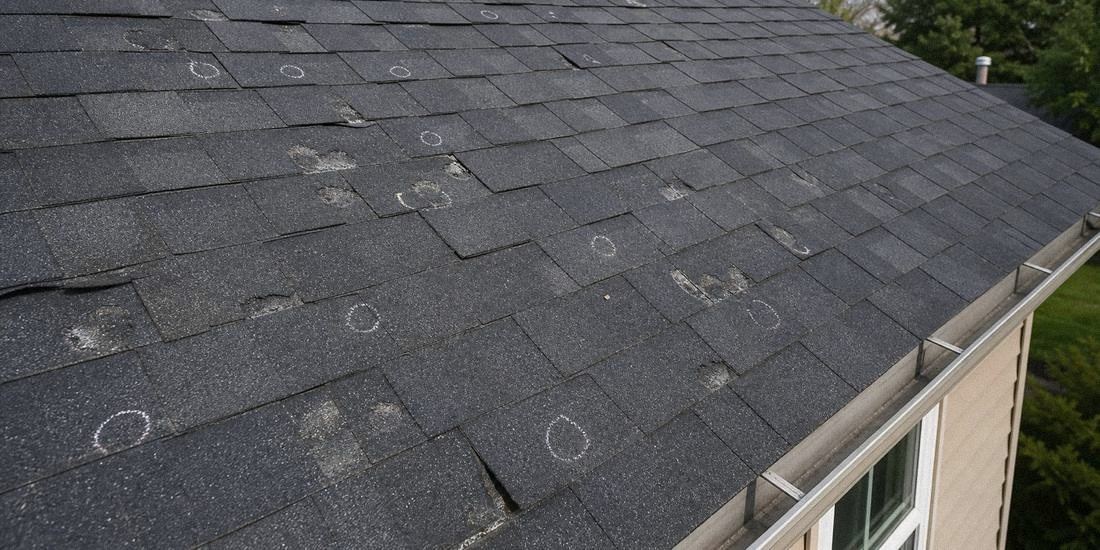
After any storm with quarter-size or larger hail, or sustained winds over 60 mph, schedule a professional inspection within 5 days. Many homeowners skip this and file claims 1–2 years later, only to find their insurer disputes whether the damage is from the storm or from age. Time-stamped post-storm inspections protect your claim rights.
Tip 10: Never Pressure-Wash Your Roof
High-pressure water strips granules from asphalt shingles, permanently reducing their protective coating. If you need to clean your roof (moss removal, debris), use a low-pressure garden hose with a cleaning solution, or hire a professional who uses chemical treatments rather than pressure washing.
Tip 11: Seal Pipe Penetrations Annually
Every pipe, vent, and electrical conduit that penetrates your roof is a potential leak point. The rubber boots around plumbing vents degrade in UV — they typically last 10–15 years and need replacement even when the rest of the roof is fine. Inspect these annually and replace boots showing cracking or pulling away from the pipe.
Tip 12: Plan Ahead — Don't Wait for Failure
The worst time to replace a roof is when it's actively leaking in the middle of a rainstorm. If your roof is aging, get it inspected and start planning. You'll have time to compare contractors, choose materials thoughtfully, and schedule at your convenience — not in emergency mode. Obsidian Exterior can inspect visible roof conditions and discuss practical timing options.
Obsidian Exterior's Annual Maintenance Check
We offer an annual maintenance inspection program for Colorado Springs homeowners — complete inspection, written report, photos, and minor tune-up repairs (caulking, lifted shingles) for a flat fee. Contact us to learn about our maintenance program.