
When your roof starts showing problems — a leak, missing shingles, visible wear — you face one of the most consequential home-maintenance decisions: repair the damage or replace the whole thing? The wrong choice can cost you thousands. Here's the framework professionals use to make that call.
The 50% Rule
The most widely used guideline in the roofing industry is the 50% rule: if the cost to repair your roof exceeds 50% of the cost to replace it, replacement is almost always the better financial decision. The logic is straightforward — you're spending half the money but still living on borrowed time with an aging system.
However, the 50% rule is a starting point, not the whole picture. Several other factors should weigh heavily in your decision.
Factors That Favor Repair
- Roof age under 10 years — most shingle systems are warranted 25–50 years. A newer roof with isolated damage is an ideal repair candidate.
- Damage is localized — a single section damaged by a fallen branch or a few missing shingles from one storm patch easily.
- Structural integrity is sound — decking and rafters are dry and solid; only the surface layer is affected.
- Budget constraints — sometimes a $400 repair buys 3–5 more years while you save for replacement.
- Selling soon (maybe) — if you're listing in 6 months, a repair + disclosure may be more cost-effective than a full replacement.
Factors That Favor Replacement
- Roof age 15–20+ years — most Colorado Springs roofs need replacement by 20–25 years due to UV degradation and hail accumulation.
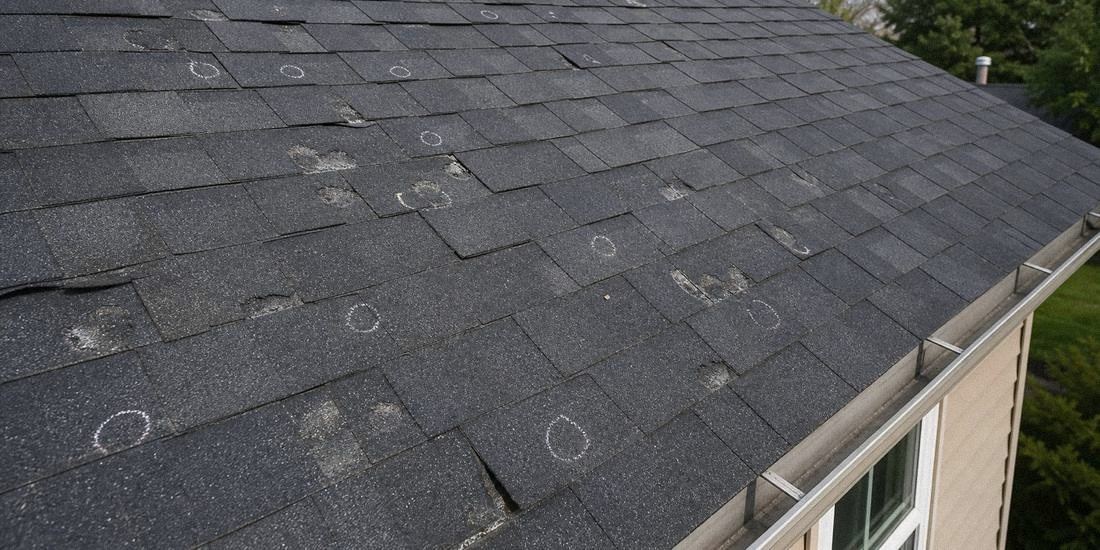
- Widespread granule loss — when gutters fill with granules after rain, the shingles are near end-of-life.
- Multiple leak points — patching one area while others are failing is a money pit.
- Sagging or soft spots — compromised decking means the structure itself is involved, which justifies a full tear-off.
- Insurance coverage available — if a storm damaged your roof and you have applicable coverage, your carrier will determine what is covered and what costs remain your responsibility.
- Energy bills rising — a degraded roof loses R-value; new roofs with proper ventilation can cut cooling costs meaningfully.
The Attic Test
Before deciding, spend 5 minutes in your attic with a flashlight. If you see daylight through the deck boards, water stains spreading across multiple rafter bays, or soft/spongy decking, you're looking at structural involvement — which almost always means replacement.
Side-by-Side Cost Comparison
| Scenario | Repair Cost | Replacement Cost | Best Choice |
|---|---|---|---|
| 5-year-old roof, 2 missing shingles | $200–$400 | $12,000+ | Repair |
| 12-year-old roof, localized hail section | $800–$1,500 | $12,000+ | Repair (inspect annually) |
| 18-year-old roof, 3 separate leak areas | $2,500–$4,000 | $13,000 | Replace |
| 22-year-old roof, insurance claim available | May not be covered | Depends on policy | Replace |
| Any age, structural decking damage | Often not possible | $14,000–$20,000 | Replace |
The Insurance Wildcard
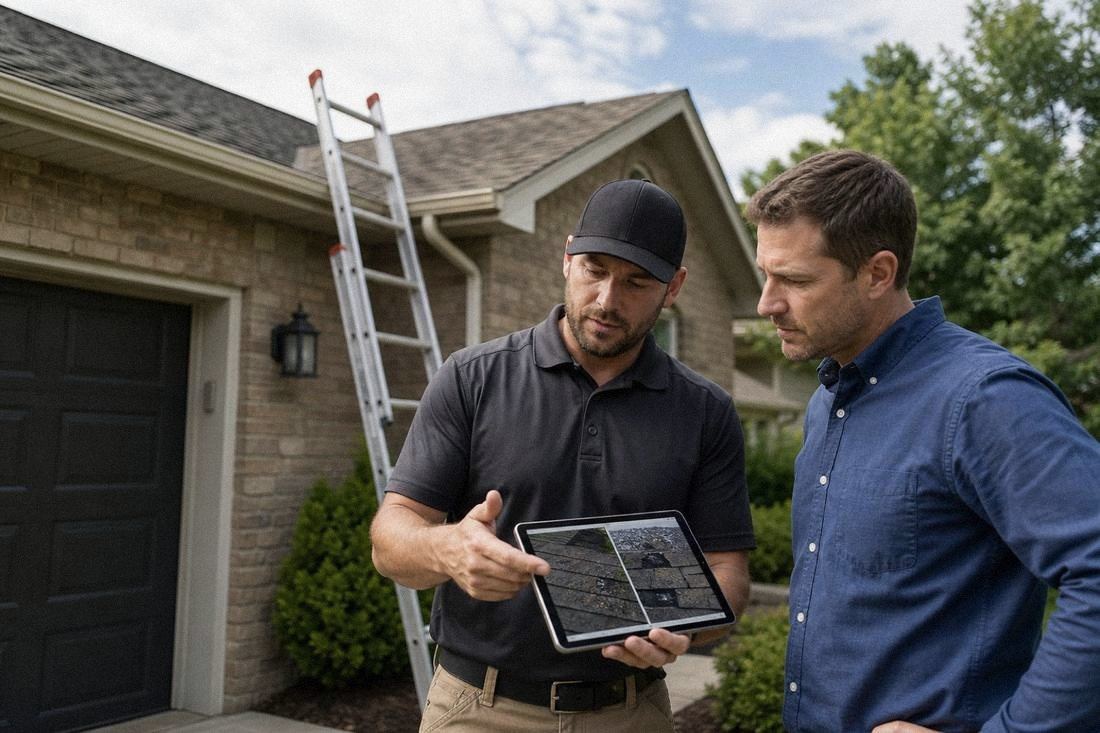
Insurance coverage depends on your policy, carrier, deductible, exclusions, depreciation, and the facts of the loss. Before you decide between repair and replacement, Obsidian Exterior can inspect the roof and explain what we observe from a construction standpoint.
When the Answer Is "Do Both"
A third path exists that many homeowners overlook: repair the most critical failures now, then plan a phased replacement in 1–2 years when budget allows. This works best when damage is real but not yet structural, and you want to protect the home interior while you plan. Obsidian Exterior can map this out with you at your inspection.